Ensuring Safe and Efficient Wiring for Your Home
Installing a ceiling fan can be a great way to improve air circulation in your home. However, understanding the electrical requirements is crucial to ensure safety and efficiency. Proper wiring ensures that the fan operates smoothly and reduces the risk of electrical hazards. This guide explores key considerations and steps involved in properly setting up the wiring for your new fan.
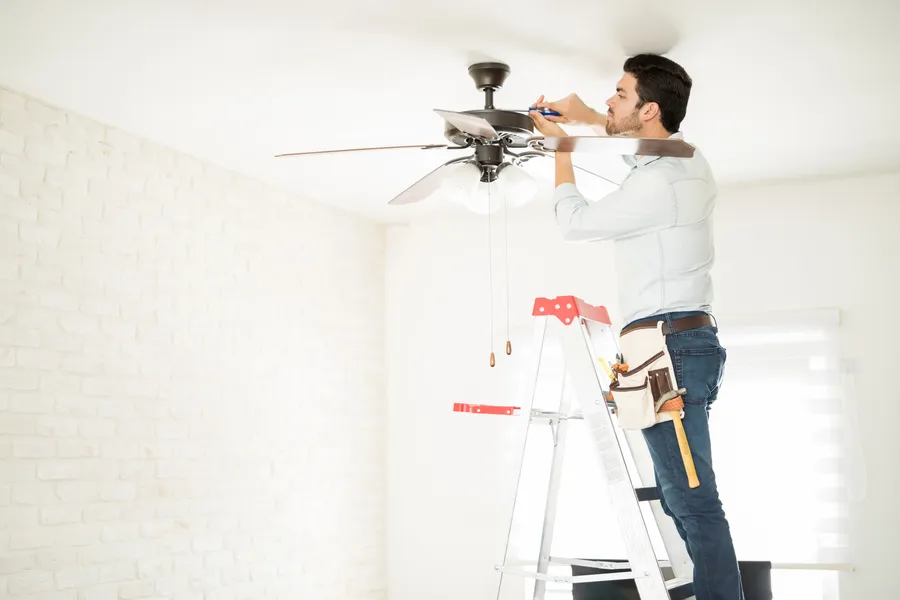
Why Electrical Requirements Matter
Electrical requirements are essential when installing a ceiling fan. They ensure that the fan works safely and effectively. The right setup prevents overloading circuits, which could lead to electrical failures or even fires. Knowing these requirements helps you choose the correct materials and make informed decisions about installation.
Key Components of Ceiling Fan Setup
When planning a ceiling fan installation, several components must be considered:
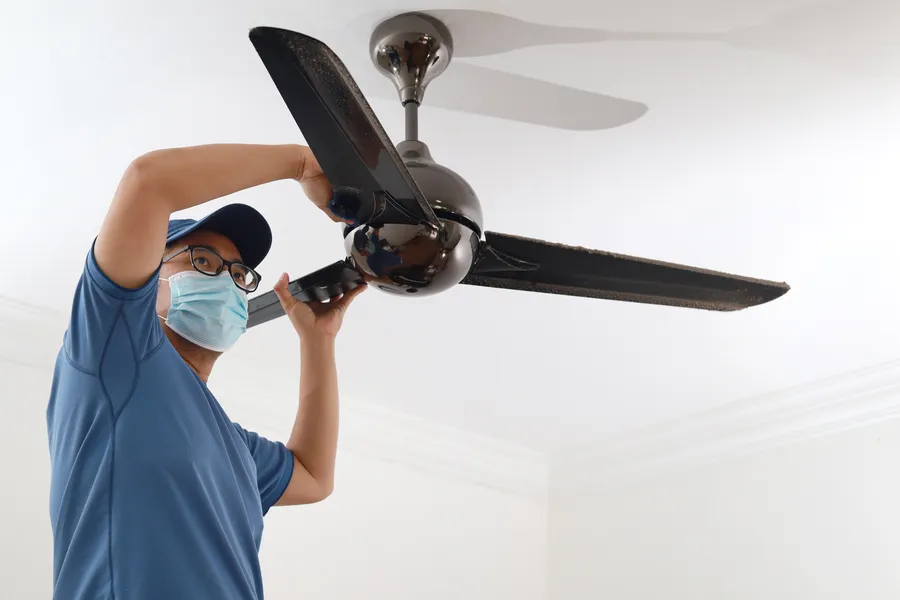
- Circuit breakers: Ensure they match the fan’s power needs.
- Wiring type: Use wires rated for the load capacity.
- Fan support box: Should be designed to hold the fan’s weight.
- Switches: Choose switches compatible with the fan type.
Common Challenges Faced During Installation
Several challenges can arise during the ceiling fan installation process. One issue is identifying existing wiring setups, which may not support new installations. Additionally, some homeowners encounter complications with matching circuit capacities or finding appropriate junction boxes for secure mounting. Addressing these problems requires careful planning and sometimes professional advice to ensure a safe install.
Steps to Proper Installation
For successful installation, follow these steps:
- Turn off electricity at the main panel before starting any work.
- Check if the current circuit can handle the added load of a ceiling fan.
- Install an approved fan-rated electrical box to support the structure.
- Connect wires according to color codes (black to black, white to white).
- Securely mount the fan following manufacturer instructions.
- Restore power and test the fan for proper operation.
Best Practices for Successful Wiring
Implementing best practices enhances safety and functionality when dealing with electrical components. Begin by using quality materials like copper wire and ensuring all connections are tight and insulated. Always adhere to local building codes and consult an electrician if unsure about any aspect of the wiring process. For added convenience and safety, consider installing a dedicated circuit for your fan.
Industry Standards and Regulations
The National Electric Code (NEC) outlines standards for safe electrical practices, including those for ceiling fans. Compliance ensures that installations meet minimum safety benchmarks, reducing risks associated with faulty wiring. Familiarize yourself with both national and local codes before beginning any project to avoid potential legal issues or hazards.
Cost Considerations for Installation Projects
Cost is often a significant factor in planning any installation project. Expenses can include purchasing necessary tools and materials such as wire cutters, connectors, and electrical boxes. You might also need professional assistance for complex tasks, adding to overall costs. Weighing these against long-term energy savings can help decide whether DIY or professional installation makes more sense financially.
Your Go-To Solution for Installing Fans
If you’re looking to enhance comfort in your living space, understanding the importance of proper wiring is critical. Located in Duarte, CA, I provide expert guidance tailored to your unique needs. For personalized service, reach out to AJL Electric. Call (626) 735-9008 today to start improving air circulation safely and efficiently in your home.